
Lord Dunlop
Born
1959
Dunbartonshire
School
The Glasgow Academy
Independent
University
King's College London
In office
2.1 years
Longer than 28% of ministers
OfficeOther workEducation
In government
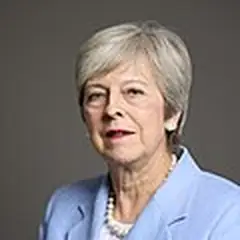 TM
TM
Appointed by Theresa May
1 post · 2016–2017
-
Parliamentary Under-Secretary of State, NIO
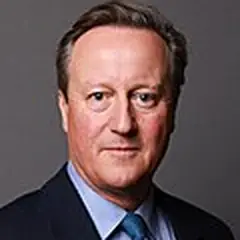 DC
DC
Appointed by David Cameron
1 post · 2015–2017
-
Minister for Scotland
Career
Before Parliament 1
After office 1
Voting record
729
votes since 2016
2
votes against their own party, 0.3% of 714 whipped votes
0
rebellions as a minister, from 135 votes
15
free votes, with no party line
Share of whipped votes cast against their own party
Whipped votes by year
With their partyAgainst
Votes by topic
With their partyAgainst
Free votes their own view
- AyeConduct Committee Report2021-07-20
- NoConduct Committee Report2021-07-20
- NoProcedure and Privileges2021-07-13
- AyeProcedure and Privileges2021-07-13
- AyeConduct Committee Report2021-07-06
- NoAbortion (Northern Ireland) Regulations 20212021-04-28 · 3 votes that day
- Aye
- No
- Aye
- Aye
- Aye
- Aye
Votes against their party latest 2
- AyeUnited Kingdom Internal Market Bill2020-12-09 · Brexit & EU
- AyeUnited Kingdom Internal Market Bill2020-11-18 · Brexit & EU
Read the full voting transcript (729 votes)
Commons and Lords votes since 2016. Topics are assigned from division titles by keyword rules.
Bills sponsored
4
government bills put forward as a minister
4
of them became law
Government bills 4
-
Became law
Northern Ireland (Ministerial Appointments and Regional Rates) Act 20172017 · Government bill · Northern Ireland Office · co-sponsor
-
Became law
Northern Ireland (Stormont Agreement and Implementation Plan) Act 20162016 · Government bill · Northern Ireland Office · co-sponsor
-
Became law
Northern Ireland (Welfare Reform) Act 20152015 · Government bill · Northern Ireland Office · co-sponsor
-
Became law
Scotland Act 20162015 · Government bill · Scotland Office · co-sponsor
Taken from Parliament's own records of bills. A government bill carries the name of the minister who introduces it, so it says which brief they held, not that they wrote it. Private member's bills are the ones MPs and peers bring forward themselves, and very few become law.